

The Art of Business
Journal
Samtaler med personligheder der deler en fælles overbevisning: at kunsten kan udvide vores måde at lede, skabe og forstå verden på.
Samtaler med personligheder der deler en fælles overbevisning: at kunsten kan udvide vores måde at lede, skabe og forstå verden på.
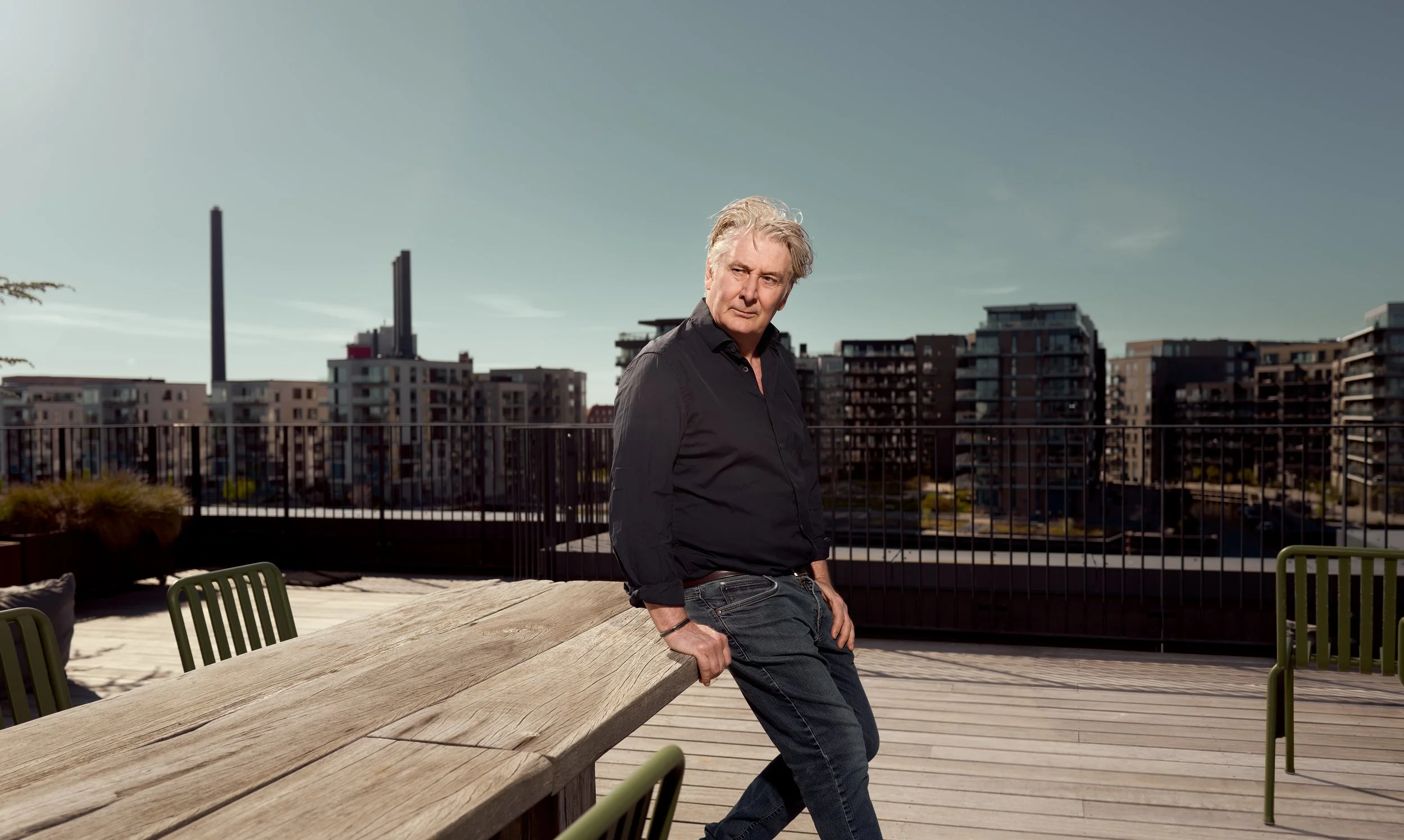
“You don’t own these things – you’re just a custodian for your lifetime.”
Nigel Mead
The collector who built a museum out of curiosity
Conversation between Nigel Mead & Merete Otillia Knudsen - Photo: Tom Lindboe, Editing: Kirsten Funk
The British entrepreneur and art collector, Nigel Mead, has built companies, sold companies, and, driven by the same instinct for discovery, created a museum in the heart of Copenhagen. MACA Museum brings together ancient artefacts, historical objects, modern and contemporary art, photography, design, and new media in a compact 1,500 m² space. The mix is deliberate: Nigel believes ideas and objects speak across time.
When I first read about the Masters & Contemporary Art (MACA) Museum, I was struck by how unusual it was, not just in its eclectic collection but in the fact that it exists because one person decided it should. Since I explore the intersection of art, culture and entrepreneurship, Nigel’s story felt essential.
What drives someone to build a museum on their own terms? And what happens when committees or institutional expectations don’t shape cultural ambition?
Stepping into the museum for the first time, I was greeted by a relaxed, unassuming man whom I initially took to be a member of staff. A few minutes into the conversation, I realised that this was the founder himself – and that his ease, curiosity, and lack of ceremony were part of the museum’s DNA. It made me even more interested in what motivates him to do what he does. Therefore, I met Nigel in his private home in Copenhagen to understand the mission behind MACA – and the curiosity, discipline, and instinct that keep him building things that didn’t exist before.
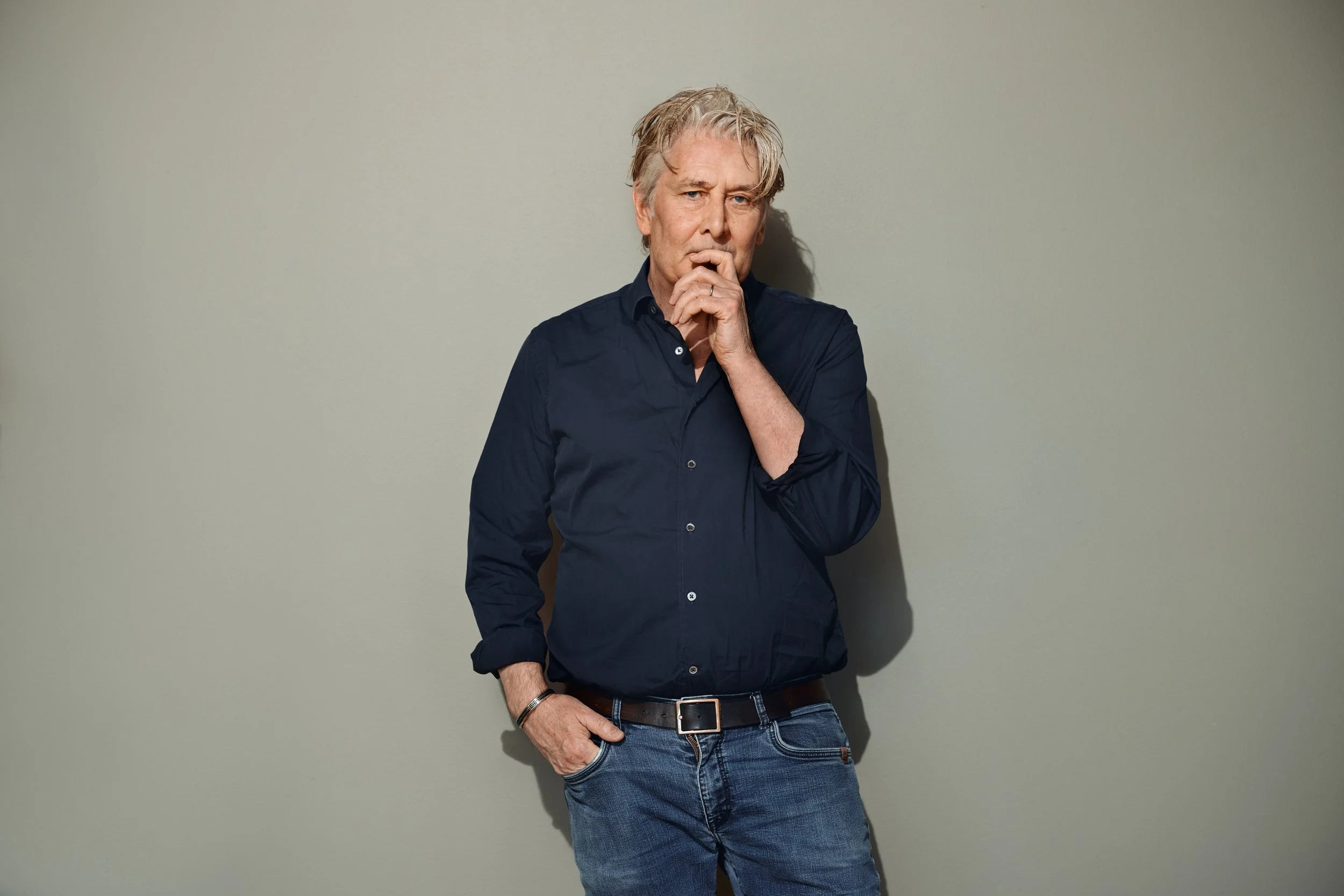
"Art in a corporate environment absolutely stimulates people. It makes the environment more pleasant, more enjoyable. You don’t need to spend a fortune. It’s about will, not money."
Before MACA, you built several businesses across very different industries, didn’t you?
“I’ve had successful businesses in a number of industries: chemicals, computer consumables, even restaurants, and I once co‑produced a film. And earlier in my life, I was a musician. I’ve built companies, sold companies, run companies – but the instinct is the same: you still need to run it as a commercial venture. You need a commercial mindset, even if the mission is cultural. So in that sense, it’s a privilege: you can run something meaningful, but you still need to run it properly.”
Do you see yourself now more as a collector, a cultural figure, or a museum owner?
“Collecting is like a disease. I’ve collected since I was a toddler. It’s almost a compulsion. And fundamentally you don’t own these things; you’re just a custodian for your lifetime. I collected cigarette packets. I’d go to Heathrow Airport, jump on the 105 bus for 45 minutes and pick up packets with Arabic or French writing – Gitanes, Gauloises. Then I progressed to matchboxes from cocktail bars in the 1980s. And from there, it just grew.”
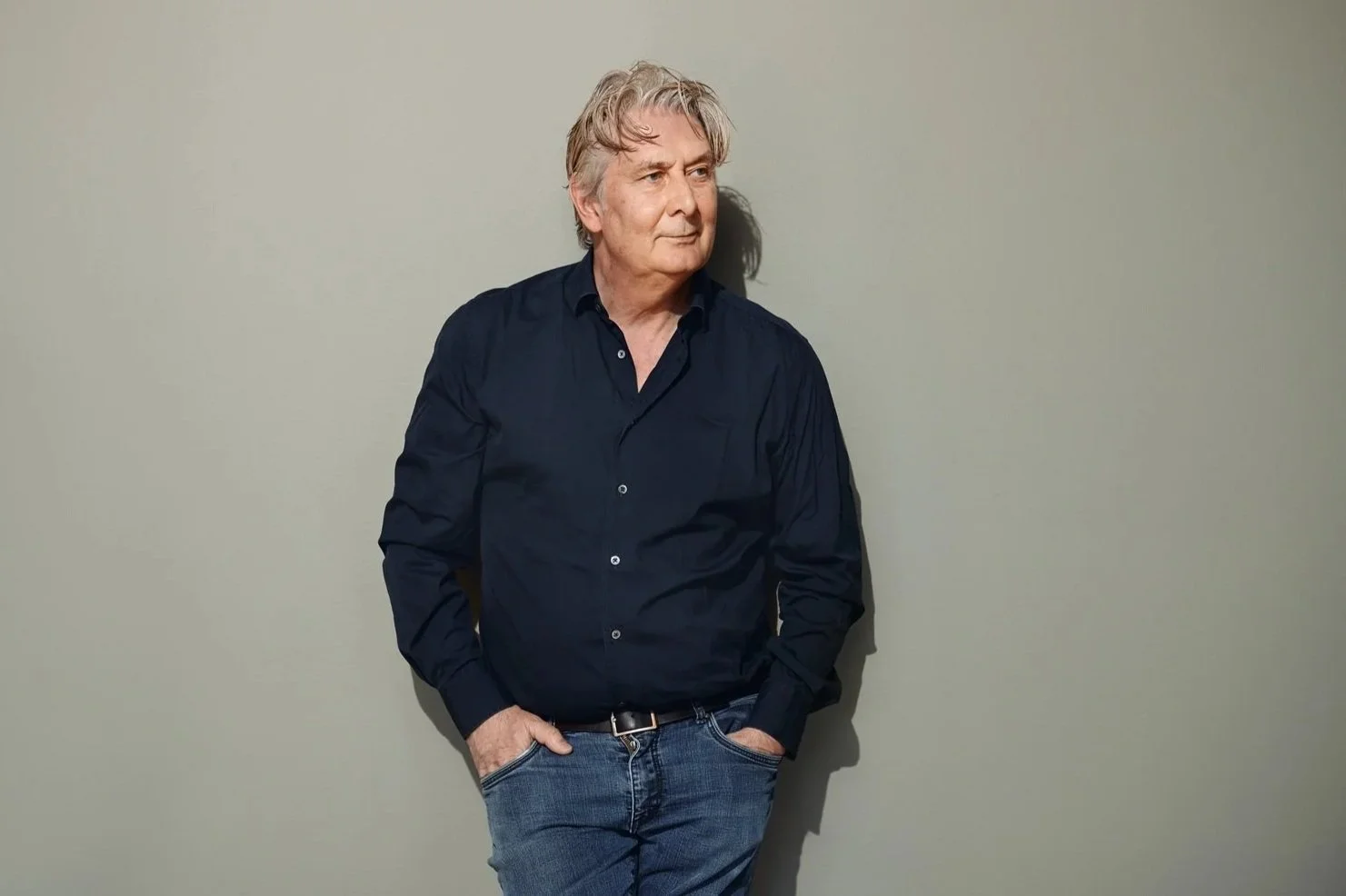
What is it that drives that impulse?
“It’s almost like archaeology: the discovery, the learning, that really stimulates me. When you start collecting art, you do it naïvely, and over time your taste becomes more sophisticated. You learn from auction catalogues – Sotheby’s, Christie’s – and from what museums acquire, because they have first pick and trained eyes. You learn about figurative and non‑figurative work, abstraction, draughtsmanship. But there’s something more, something ineffable. You feel it in your heart; you experience it in your brain.”
Who opened your eyes to the art world?
“I saw a Man Ray exhibition in London in the early 1990s. It was glamorous and exciting. He was friends with Dalí, Max Ernst, the great conceptual and abstract artists. It was intoxicating. That was my first experience of wanting to collect art. The collector was already there; the knowledge wasn’t.”
You’ve had a long business career. What did you find in the art world that business didn’t give you?
“I was a musician in my twenties. I wasn’t money‑motivated. I grew up in a musical household; that’s all I wanted to be. Eventually, I wanted stability, a family, a more predictable life, so I left the music industry. But I had to put a lid on the creativity. There’s no room for creativity in business. You can be strategic, but not creative. So I set up my first company, which became very successful very quickly. But something was missing. I needed something creative. That’s where art came in.”
Did you invest in art through your companies?
“No. I was probably more fearful than most CEOs; I didn’t want the temptation around me. I bought things compulsively for myself, not for the company. Some pieces were cheap, some expensive. Many ended up in storage. I didn’t have meaningful art on my company walls, which is a pity. But yes, art in a corporate environment absolutely stimulates people. It makes the environment more pleasant, more enjoyable. You don’t need to spend a fortune. It’s about will, not money.”
"You need a commercial mindset, even if the mission is cultural."
What made you decide to bring your collection to Denmark and open a museum?
“Seeing other small independent museums helped me make that choice. I thought I could do a better job. And I have my family here, so it made sense to spend more meaningful time in Copenhagen. Economically, it’s also far easier to establish a small independent museum in the centre of Copenhagen, a city of high tourism, seven to ten million visitors a year, than it is in London. And I’ve always loved museums. They were my safe place when I was young. I had a lot of art to show, strong relationships with artists and collectors, and a passion for collecting. So it made sense to find a thousand to fifteen hundred square metres and create exhibitions that shout loudly in a small space. It’s a privilege to be able to do that. And thankfully, visitors have been very positive.”
Is there a trend of private collectors wanting to share their art with the public?
“Yes. You realise materialism is meaningless. You’re just a custodian. Eventually, the works go to institutions or families. I’m comfortable with that. I don’t want a bronze bust of myself in the museum. I just want the museum to be run competently and with the same spirit.”
What does being a private museum founder add to the cultural landscape?
“A different perspective. I’m not Danish, so my interests are different. The museum reflects my interests. And we’re not just showing paintings and sculptures – we’re showing new media. That’s important. And we’re nimble. We can make decisions quickly. No bureaucracy. That’s a huge advantage.”
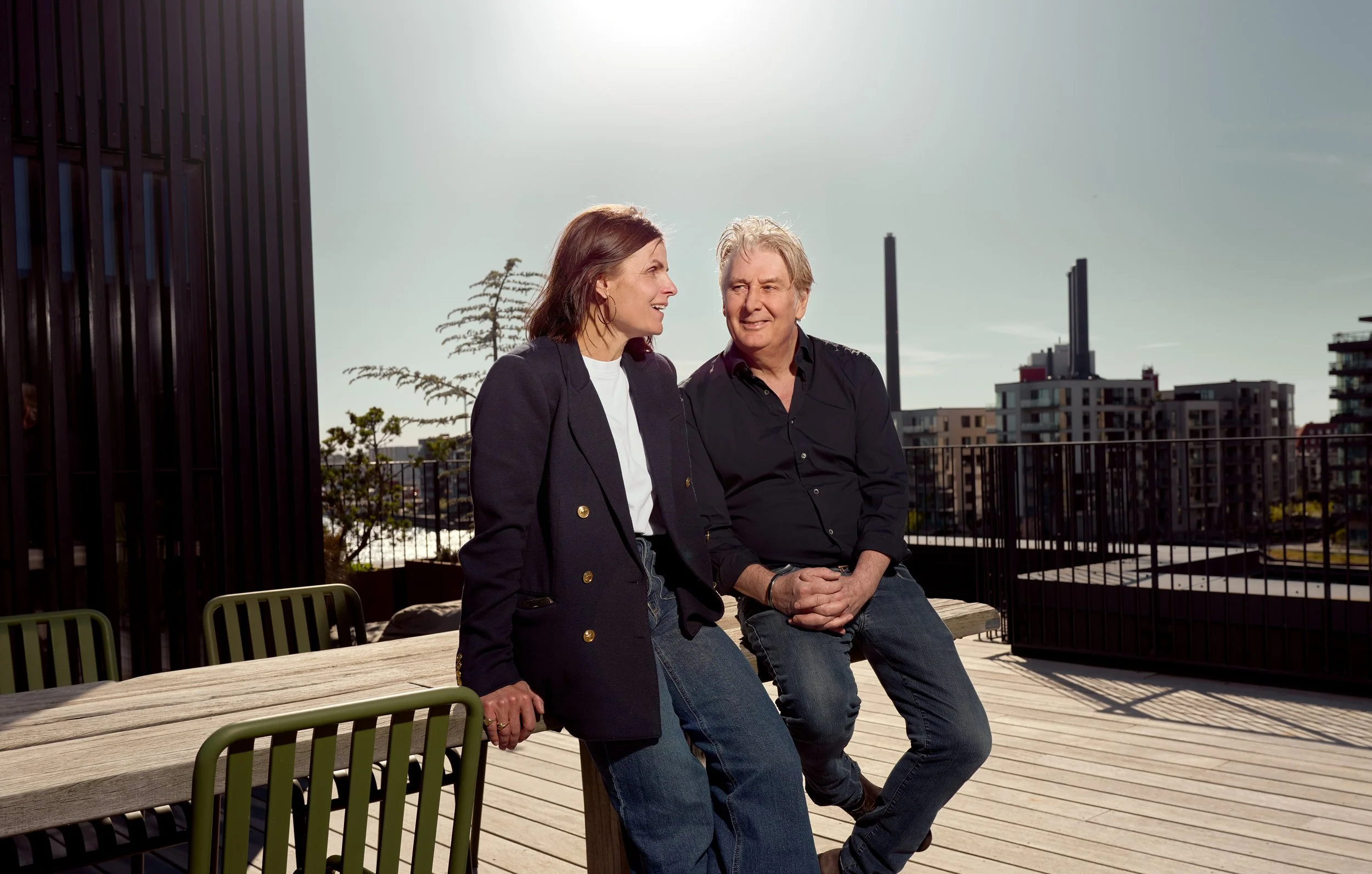
You seem comfortable with change – even provocation?
“I love provocative music. I love change. Many people don’t. They want certainty. But we don’t live in a world of certainty. We live in chaos. We try to make order out of chaos. I’m not afraid of change. But I’m not arrogant enough to think I’m always right. It’s about the team. No egos. It’s the staff who get things done.”
How do you decide what belongs in the museum?
“Taste is subjective. What’s tasteful to me may be boring to someone else. Historically, museums have been patient in identifying greatness – Hilma Af Klint and Vermeer are good examples. But today, especially in North America, a handful of galleries dominate what major museums show. It’s almost a monopoly. At MACA Museum, we try to show work honestly, not because it’s financially advantageous, but because it’s interesting. I also admire artists who disrupt expectations, such as Banksy, with his mischief and energy. And writing on walls is ancient: there’s graffiti in Pompeii, and muralism in South America has been around for centuries. Art can come from many places and take many forms. That’s why MACA spans centuries and expressions – we’ll show artefacts thousands of years old next to Jeff Koons, Banksy, Warhol.”
What has art added to your life that business never could?
“It’s an odyssey. An adventure. A journey that never ends. That’s the thrill. The learning is endless. I have enough ideas to fill five museums. I have 40 exhibition ideas – diverse, commercially and intellectually appealing. I’m paying more attention to Old Master artworks now. I’ve handled major works. It’s a privilege. It makes me happy.”
When I left Nigel’s home, I kept thinking about how naturally Nigel moves between curiosity and discipline. He speaks of art as an odyssey, of learning as a lifelong engine, and of building something without ego or bureaucracy. In him, the worlds of business and culture reinforce each other.
The same instinct that once sent him onto the 105 bus to Heathrow now shapes the way he creates something for others, a reminder that cultural impact often begins the same way business does: with a clear instinct and the willingness to act on it. And perhaps that is the quiet significance of MACA: that our cultural landscape needs people who act on instinct, who create new spaces, and who remind us that curiosity is still one of the strongest forces in how art can be shown – and experienced.
Merete Otillia Knudsen
Relaterede interviews
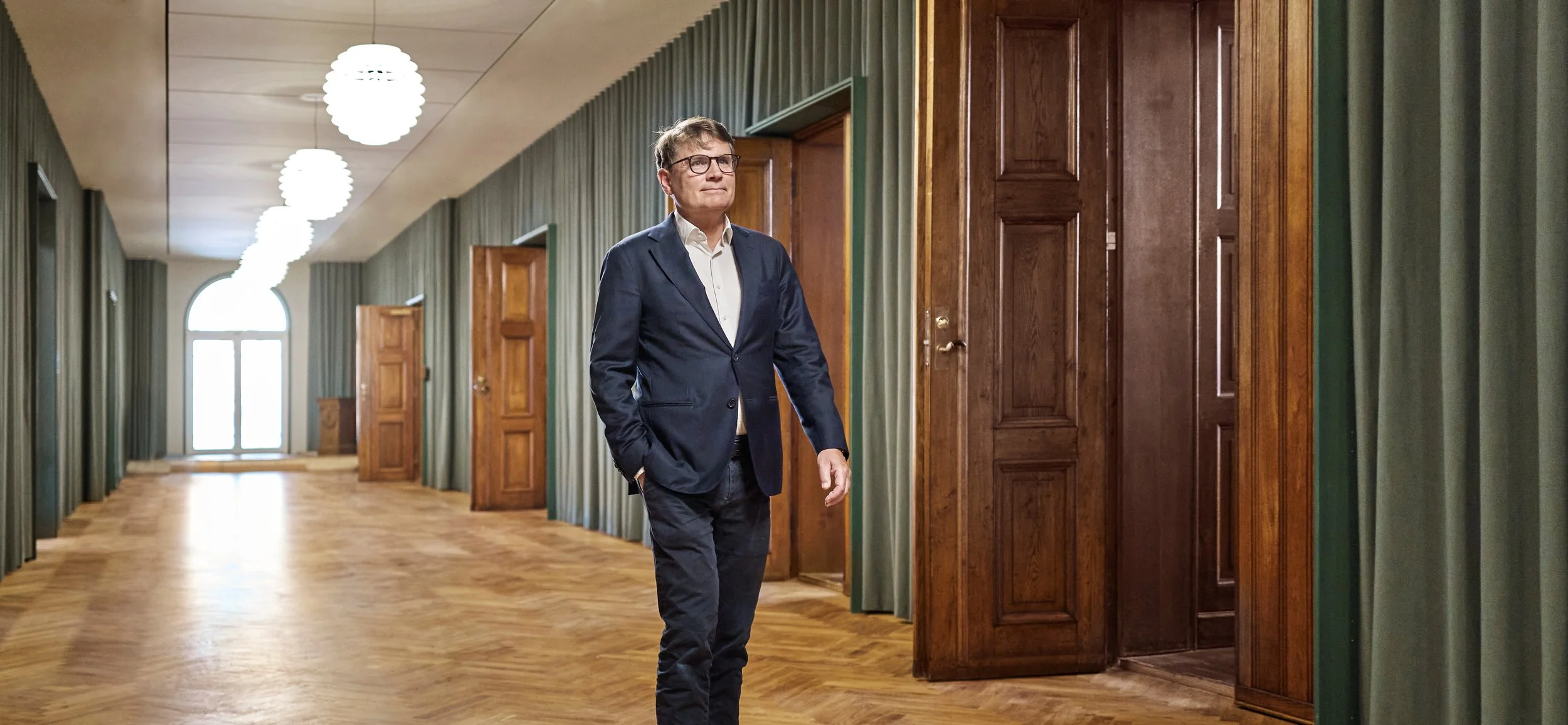
Brian Mikkelsen
Vi får mere kunst ind i Børsen, end der var før
Nigel Mead
The collector who built a museum out of curiosity
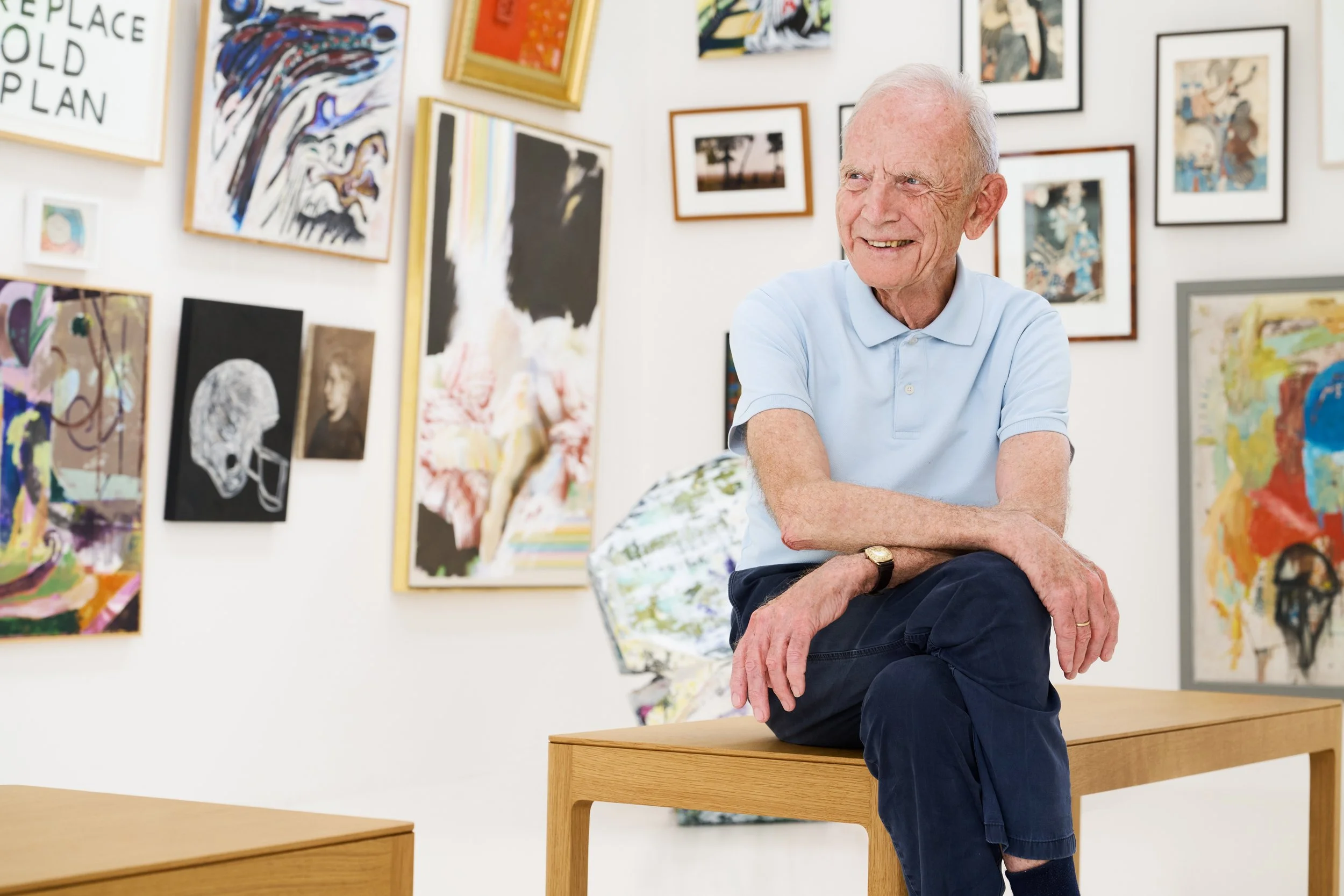
Mads Øvlisen